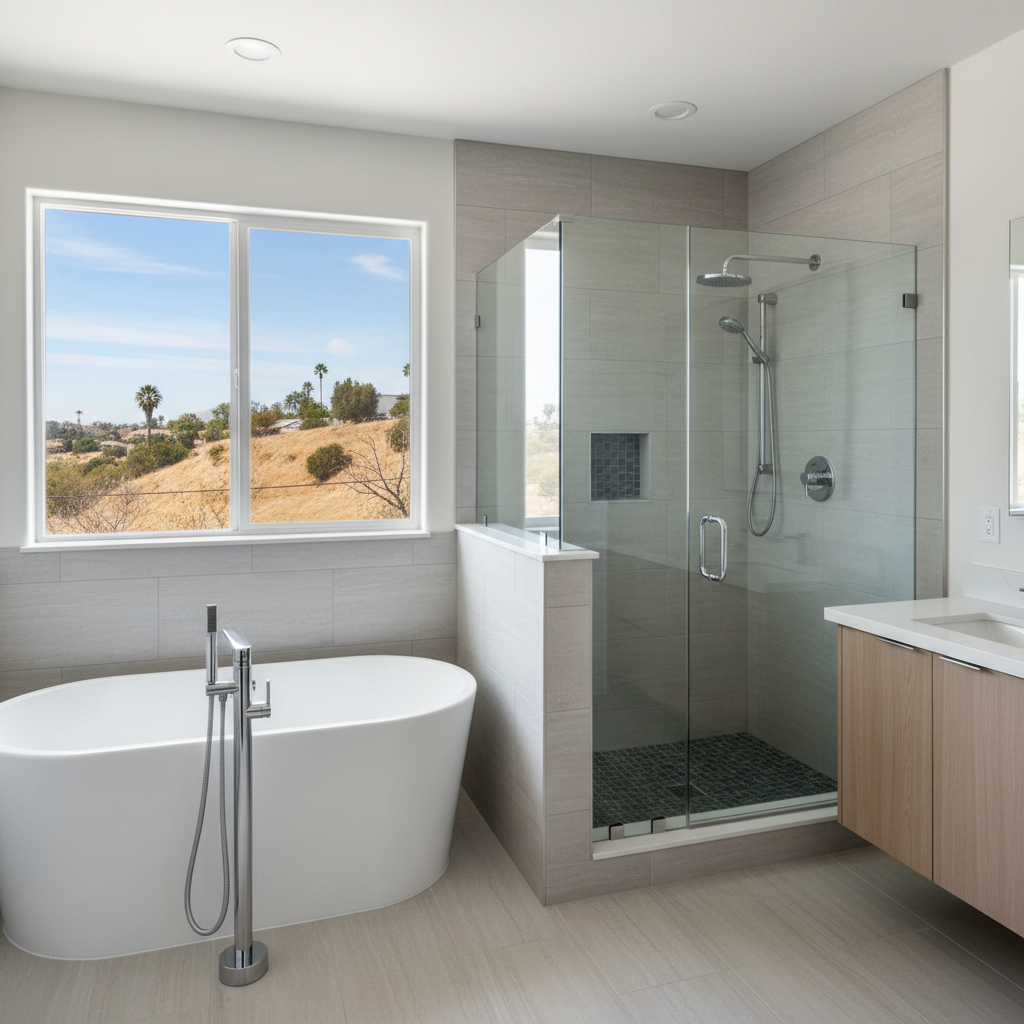
So, when's the best time to finally get that new bathtub or shower put in? You might figure it doesn't matter much here in Lawndale, given our pretty steady weather. But trust me, it absolutely does. After years of working with folks all over town — from those charming old places near Aviation Boulevard to the newer developments closer to Marine Avenue — I've seen firsthand how the seasons can really affect a bathroom remodel. Especially when you're messing with wet areas like tubs and showers, you know?
Scheduling Your Installation: Why Timing Matters
Look, we don't get brutal winters like they do back east. But our "winter" months, roughly November through March, do bring cooler temperatures. And, more importantly, higher humidity and more rain. This isn't just about keeping my crew comfortable; it's about the materials we use. Things like thinset, grout, and sealants all have ideal conditions for curing. They need specific temperatures and humidity levels to bond correctly and get to their full strength. If it's too cold, or too damp, these materials take longer to dry. Or, even worse, they don't cure as well as they should. That can cause problems down the road – think loose tiles, cracked grout, or even moisture issues hiding behind the walls. Nobody wants that.
That's why I usually suggest aiming for spring, summer, or early fall for big wet-area installations. April through October, when it's warmer and drier, is typically perfect. The materials set up quicker, we can air out the space better, and honestly, everything just runs smoother. You're less likely to hit delays because of a sudden cold snap or a solid week of drizzle. Plus, if we're doing any work that means opening up exterior walls for venting or plumbing, you definitely don't want to be doing that in the middle of a rainstorm, do you?
Weather Conditions and Your Project
So, what specific weather conditions are we really keeping an eye on? Humidity is a big one. Even if it's not raining, a foggy Lawndale morning can mean more moisture in the air. This affects how fast things dry. If we're putting in a shower pan or tiling a wall, we need those layers to dry completely before we can move on to the next step. Rushing it because of damp conditions? That's just asking for trouble. We're talking about potential mold growth behind the tile or a weaker bond that could fail way too soon.
Temperature plays a role too. While our temps typically don't dip below freezing, cooler days still slow down the chemical reactions in many construction materials. If you're planning a project in January or February, we might need to use heaters in the work area. This helps keep things at the right temperature for curing. It's an extra step, sure, but it's crucial for how long your new bathroom will last. We always make sure to watch the forecast and plan accordingly. Sometimes, that means pushing the schedule by a day or two to let things dry out properly. It's a small inconvenience for a much better, longer-lasting result.
Protecting Your Investment Year-Round
Once your new tub or shower is in, you want it to last, right? Our Lawndale climate, with its mild temperatures but occasional humidity, means you need to be proactive. Here's what I tell all my clients:
- Ventilation is Key: Always use your bathroom fan during and after showers. Don't just run it for five minutes; let it go for at least 15-20 minutes once you're done. This pulls out the moisture that can otherwise lead to mold and mildew on grout and caulk. If your fan isn't cutting it, consider upgrading. It's a small investment that makes a huge difference.
- Seal Your Grout: I can't stress this enough. Grout is porous. Without a good sealant, it'll soak up water, stains, and eventually, grow mildew. We'll seal it after installation, but it's not a one-and-done deal. Depending on how much you use the shower, you should plan to re-seal your grout every 1-3 years. It's a simple DIY job, or you can have us do it when we're in the area.
- Check Your Caulk: The caulk around your tub, shower pan, and corners is your first line of defense against water getting behind the walls. Over time, it can crack, shrink, or pull away. Do a quick visual inspection every few months. If you see any gaps or deterioration, re-caulk it immediately. Don't wait. Water finds a way, and a small leak can turn into a big problem fast.
- Clean Regularly: Mild soap and water are usually all you need. Avoid harsh abrasive cleaners that can damage grout and sealants. Regular cleaning prevents soap scum and mildew from building up, making it easier to maintain in the long run.
Getting your bathroom remodel done right means paying attention to the details. And that includes understanding how our local weather affects the work. At Lawndale Bathroom Construction, we've been doing this for a long time. We know what it takes to build a bathroom that stands up to the test of time, right here in our community. If you're thinking about a new tub or shower, give us a call. We'll help you plan it out, considering all these factors, so you get a beautiful, long-lasting result.